


Microfluidics Station
Integrated microfluidic workstation solutions for precise small-volume fluid control, diagnostics research, and biomedical device workflows.
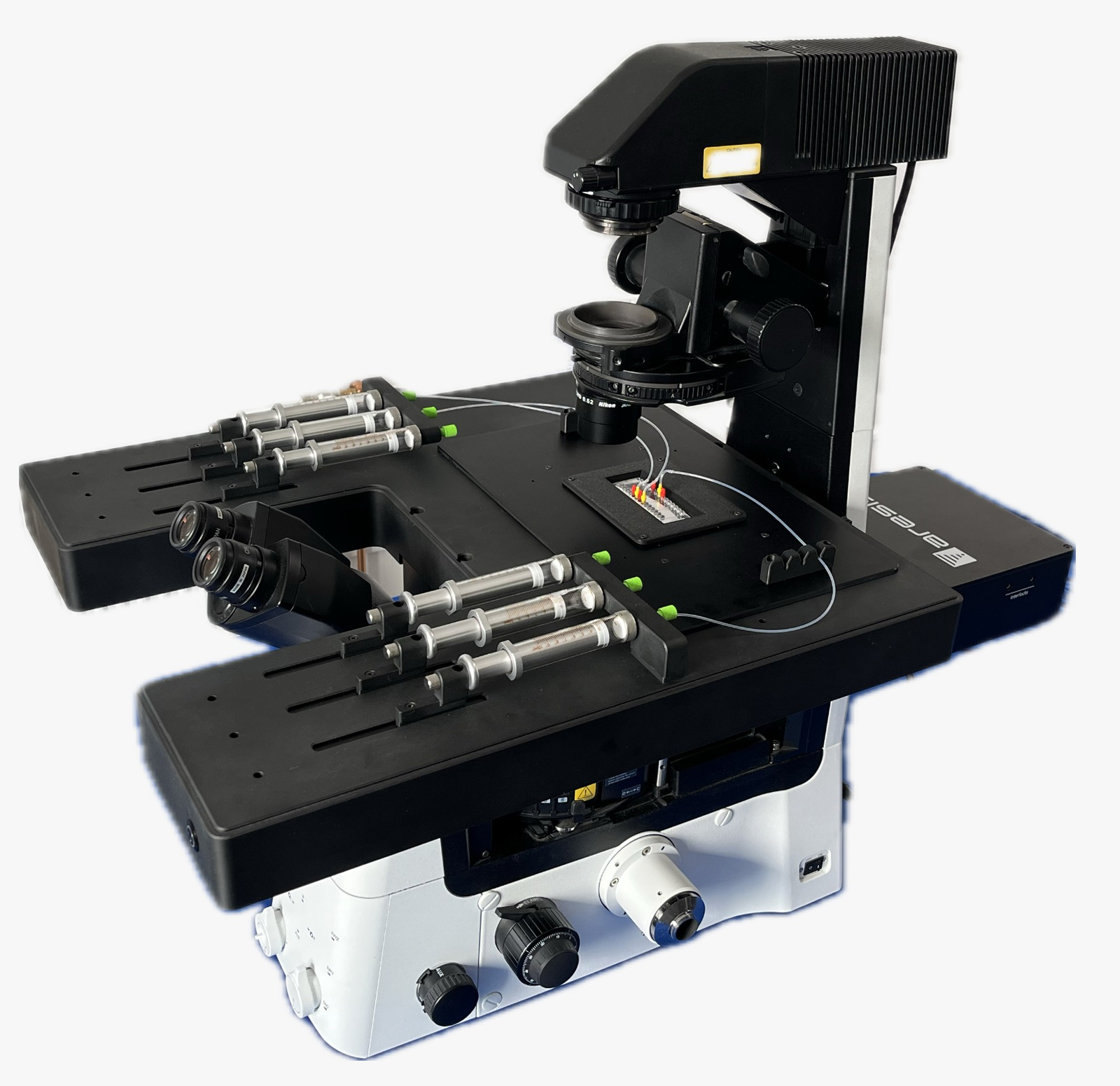

Microfluidic Workstation
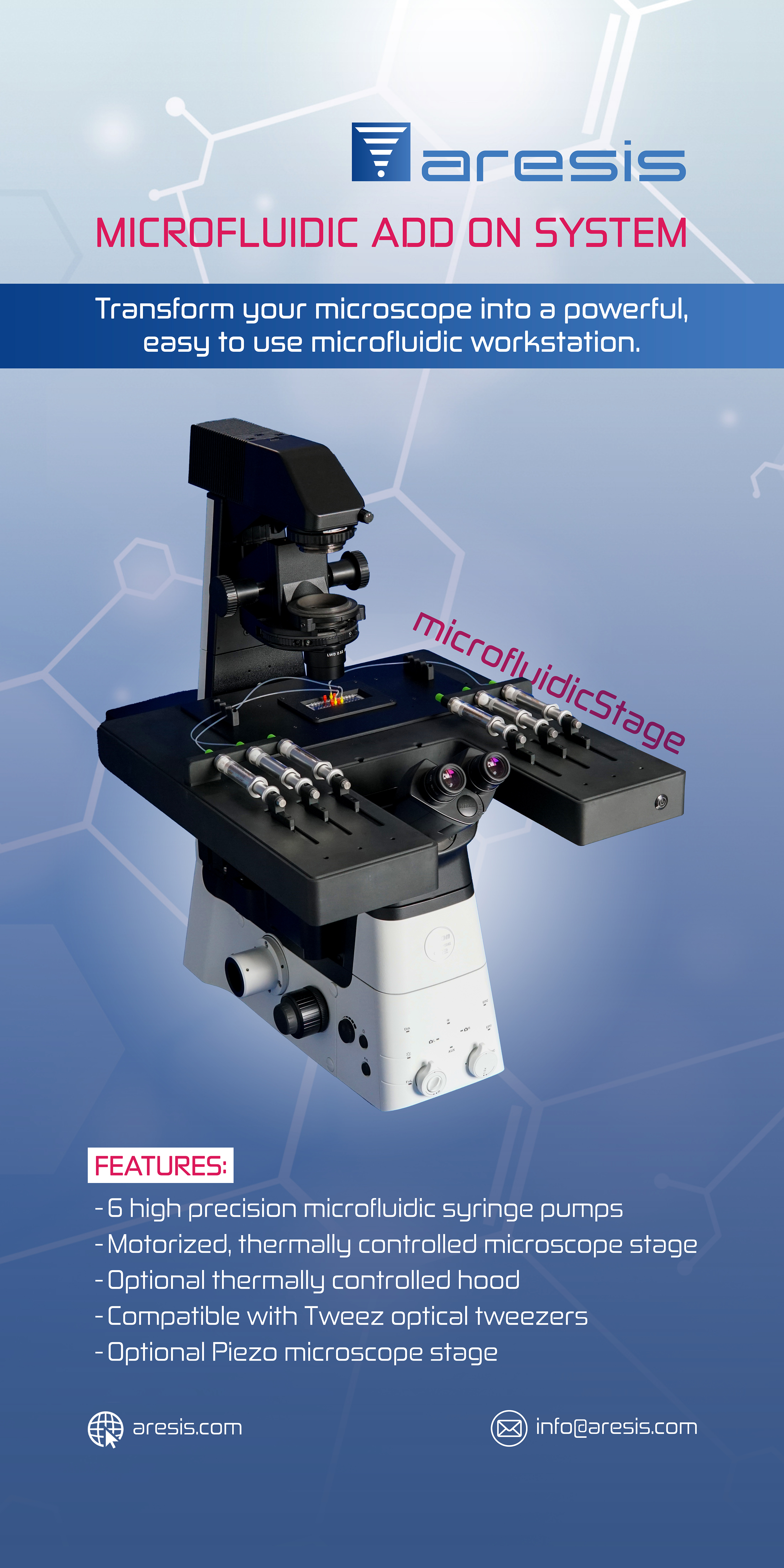
A microfluidic workstation is an automated lab system used to handle incredibly tiny amounts of liquid (measured in Microliters / Nanoliters / Picoliters) for scientific research. It acts as a miniature plumbing system for your desktop, combining precise pumps, valves, and microscopes to study cells, mix chemicals, test new medicines on a single glass or plastic chip. The system aims to automate delicate and long term experiments that cannot be executed manually.
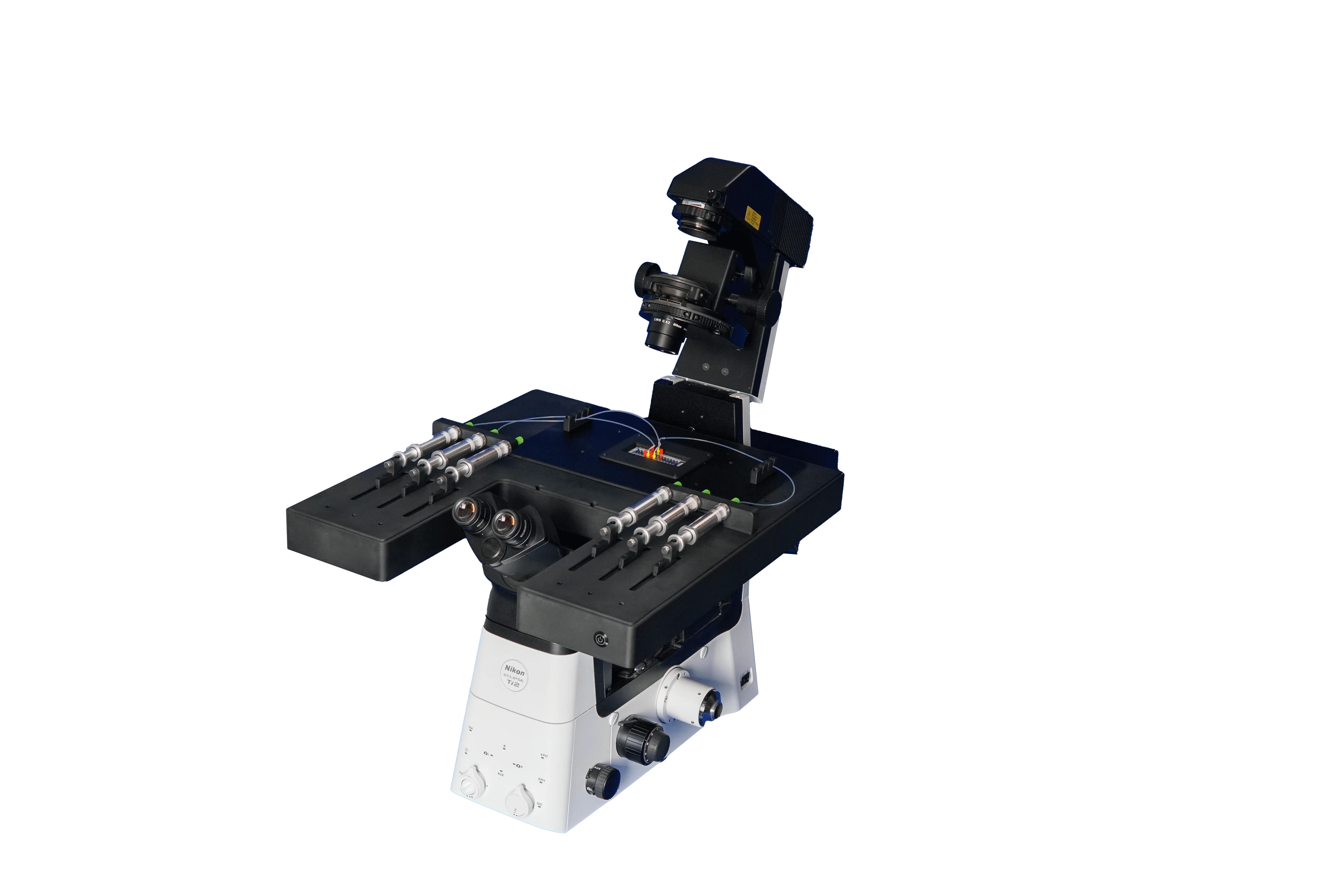
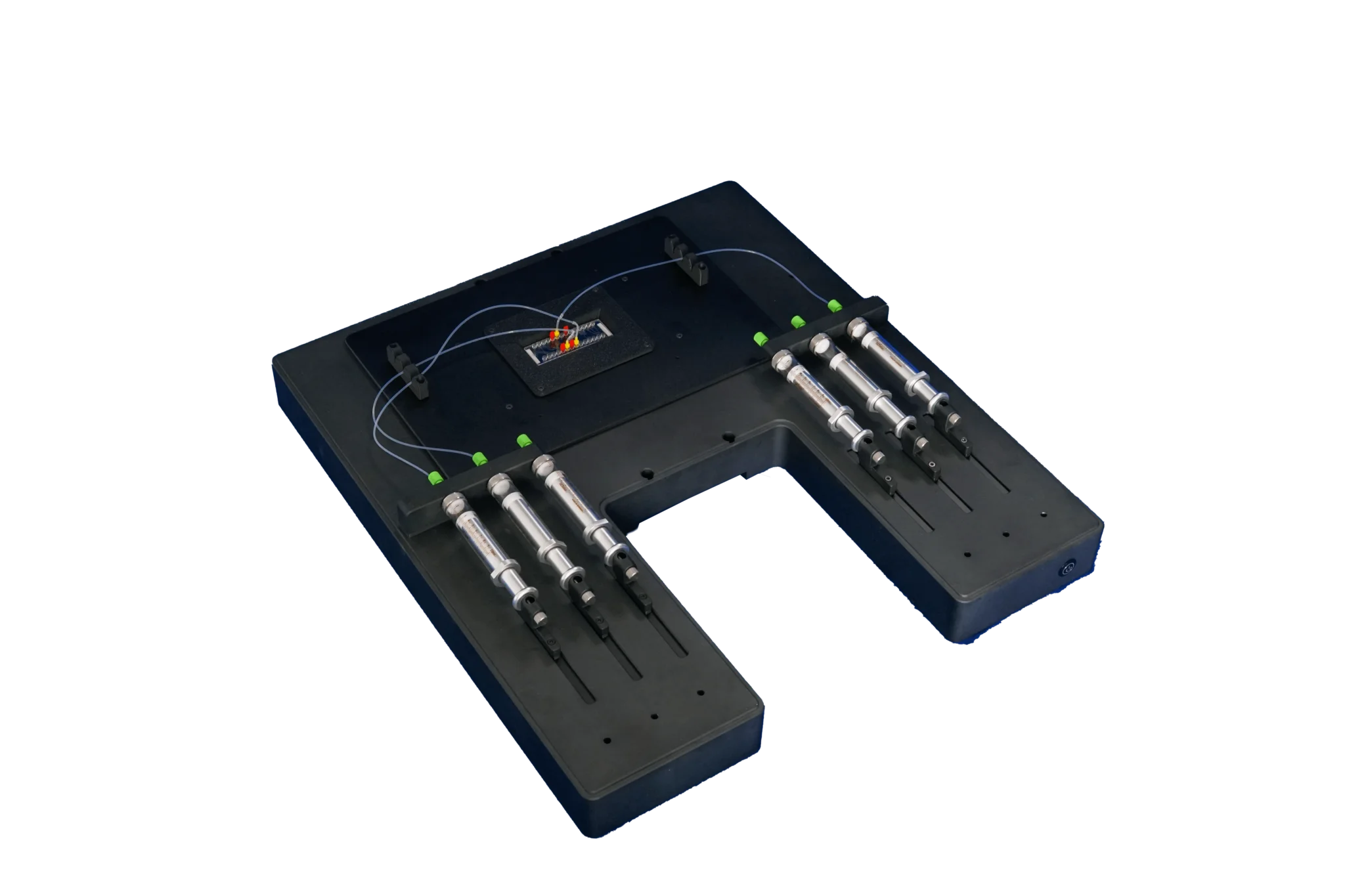
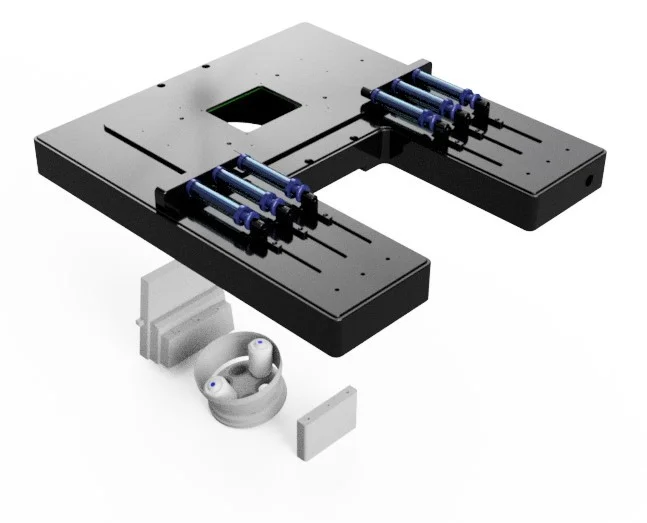
The system includes six ultra-precision syringe pumps, with three mounted on each side of the microscope’s eyepiece. These pumps allow for Picoliter-precision delivery of samples, buffers, media, and other liquids into your microfluidic chip. By drastically reducing sample sizes and costs, it enhances personalized Medicine, Drug Delivery, Cell Analysis, etc.
Allows researchers to track cellular behaviors, protein folding, and chemical mixing through transparent device materials (like PDMS).
Specification:
6 x syringe pumps
Stroke: 60 mm
Linear resolution (minimal pump movement): 12.4 nm
Maximum piston pushing force: > 100 N (Apx 10kgf)
Precision Pumps: Motors push fluids with extreme accuracy, preventing sudden bursts (pulsation).
Microscope & Camera: Tracks the tiny fluid movements and reactions.
Software: Controls the pumps and monitors how fluids mix in real-time.
Advantages of Microfluidics
- Sample Efficiency: Only tiny amount of expensive reagents, rare cell samples, others fluids are used which significantly reduces experiment expenses.
- Speed & Sensitivity: Provides faster analysis results and higher resolution in separating/detecting molecules.
- Automation: Allows thousands of chemical reactions or biological assays to occur simultaneously on a single, compact chip.
- Reduced Contamination: Operates within closed, automated channels that eliminate manual pipetting errors and external exposure.
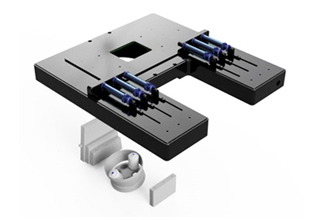
MOTORIZED MICROSCOPE STAGE
At the heart of the system is the motorized microscope table (50 x 50 mm), enabling automation of experiments that require precise table movements. The stage is thermally controlled, enhancing the system’s capabilities for on-chip cell cultivation, physiological studies etc. It’s compatible with the Piezo microscope stage and can be equipped with a transparent hood for volumetric temperature control.
The thermal control of the system reassures optimal temperature for cell proliferation and pumps establish fresh media, media gradients or complex media manipulations for a range of studies. The motorized table enables excellent, automated timelapses of individual growth chambers.
Specification:
- X stroke: 50 mm Y stroke: 50 mm X/Y linear resolution: 39 nm
- Piezo stage compatible
- Thermally controlled from room temperature to 60 °C
- Compatible with transparent hood with volumetric thermal control
Research Domains
Accelerating development in microfabrication and nanotechnology.
Single-Cell Cultivation and Analysis
By Cultivating Single cell in microfluidic chambers / microfabricated chips to isolates, grows individual cells in picoliter to nanoliter-sized compartments on small chips. This method uses tiny fluid channels to trap, sort, and feed single cells. It allows scientists to watch cell growth, test responses to drugs, and study rare cell types with high precision. Used for Isolating and studying individual cells to understand cellular differences and gene expression in cancer and other diseases. This Technique ensures high-throughput of Single-cell RNA sequencing, rare cell detection, and multi-omic profiling with minimal reagent consumption and precise cellular control.
DNA chain stretching
Uses fluid flow inside tiny channels to pull and straighten single coiled DNA molecules. This technique helps scientists look at base sequences, map genetic structures, and study physical properties without complex chemical modifications. The pumps can be used to precisely deliver DNA fragments coupled to microparticles. Optical tweezers and motorized table are used to move the DNA fragments on microparticles into an on-chip testing chamber where DNA chain stretching can be studied.
Genomic Analysis
Used in DNA purification, Polymerase Chain Reaction (PCR) amplification, and liquid biopsies to extract rare circulating tumor cells. Isolates individual cells inside picoliter droplets to sequence DNA or RNA, revealing genetic differences within tumor tissues that bulk analysis misses. Integrates fluid circuits to perform thousands of simultaneous nucleic acid amplifications using minimal sample inputs.
Regenerative medicine
Microfluidics helps grow Stem Cells, make 3D Tissues, and deliver treatments with high precision. It mimics the real body conditions so Scientists can repair damaged body parts better.
Drug Discovery, Delivery & Development
Allows for the fabrication of microscopic drug carriers for targeted, slow-release treatments, and accelerates the testing of new pharmaceuticals. It speeds up drug discovery by enabling high-throughput screening, precise reagent mixing, and realistic cell testing using lab-on-a-chip and organ-on-a-chip platforms.
Multi-Omic profiling
Using microfluidics which integrates ultra-small volume fluid control with simultaneous measurement of multiple molecular layers—such as the genome, transcriptome, and proteome—from single cells or tiny tissue models. This approach partitions samples into picoliter-to-nanoliter droplets, wells, or chambers to drastically reduce reagent costs, prevent cross-contamination.
Lab-on-a-chip
Combining microfluidic chips with microscopy allows researchers to control fluid flow and observe microscopic processes, single-cell analysis, chemical reactions, etc., in real time.
Organ-on-a-Chip
Builds tiny models of human organs to test how tissues heal or react to new therapies. This mimics human organs working functions. Simulates complex human organ environments (like lungs or hearts) to study diseases and test drug efficacy, often replacing traditional animal testing.
Point-of-Care Diagnostics
Enables rapid, portable testing for infectious diseases, genetic disorders, or pregnancies directly from a single drop of blood.
Latest Works
 Microfluidics
 Microfluidics
 Microfluidics
 Micro
Micro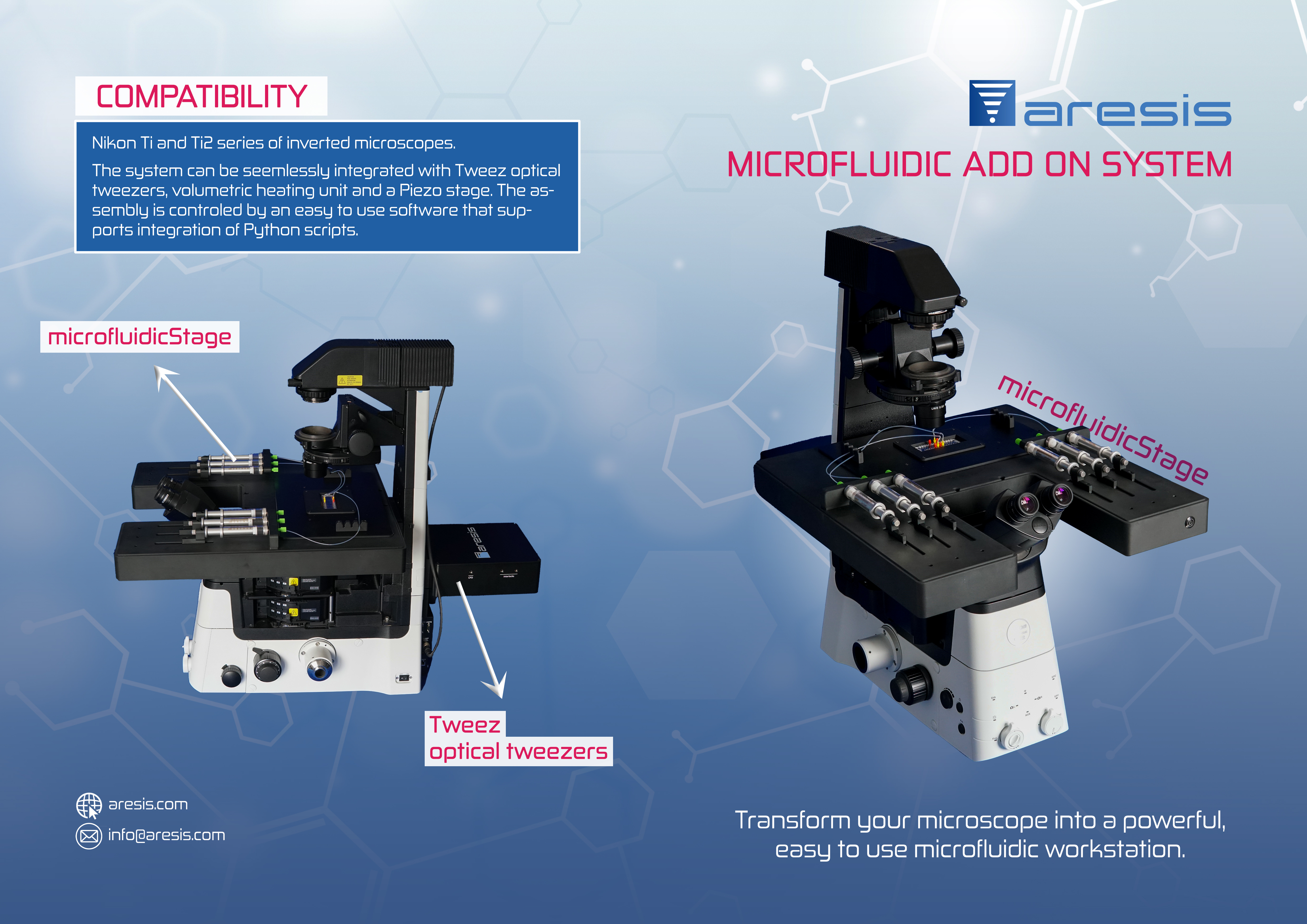 Micro
Micro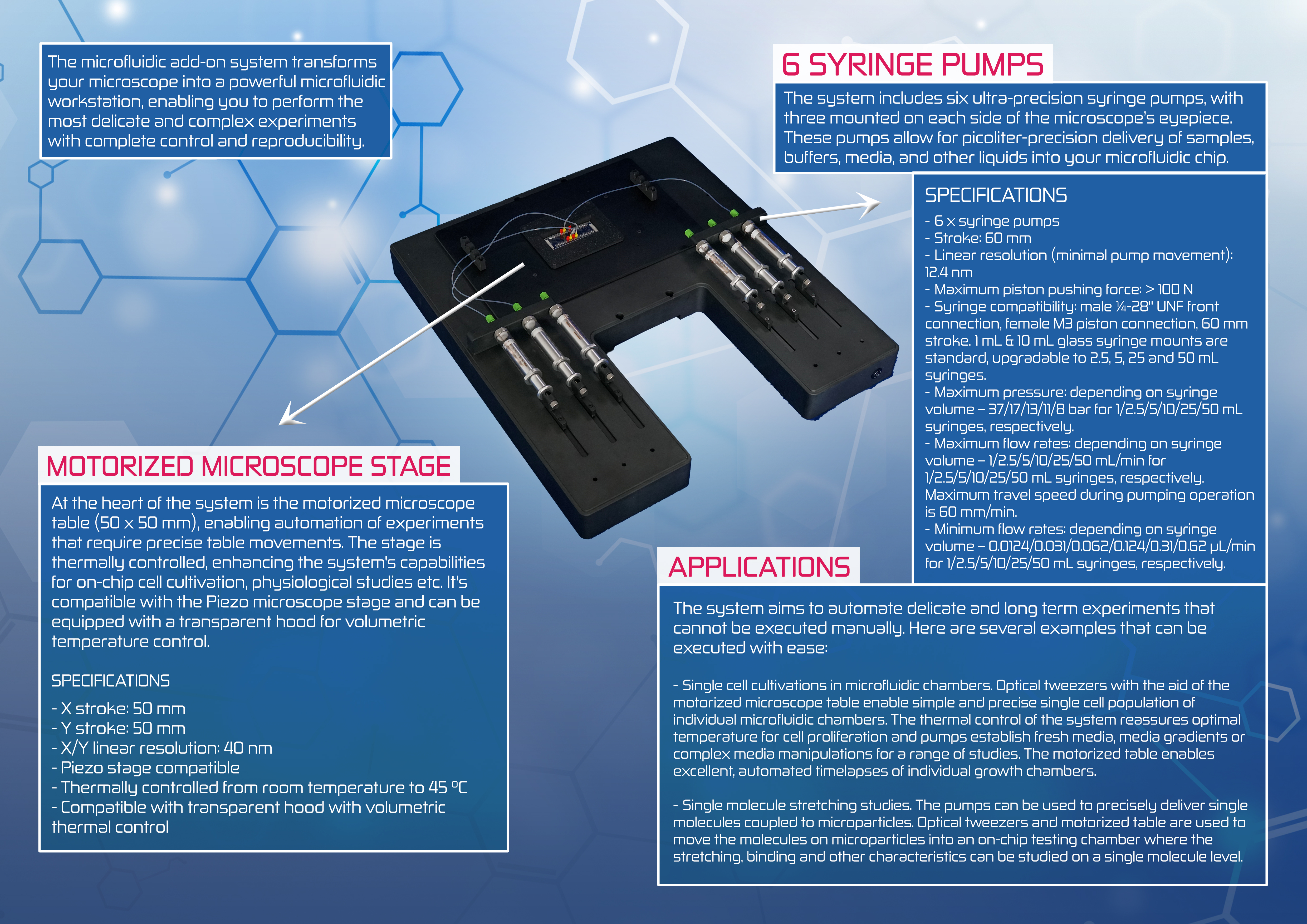 Micro
Micro